What is REALLY Going on here in the Garden State?
Come take a peek!
If you feel like every housing headline is contradicting the last, you’re not imagining it. In 2026, the U.S. is dealing with what many economists are calling a two-speed housing market: some areas are cooling or correcting, while others are quietly powering ahead. New Jersey falls on the “stronger” side of this two-speed housing market, and that has very real implications if you’re thinking about buying or selling here this year. In this post, I’ll break down what the two-speed housing market actually is, why New Jersey is holding up better than many other places, and how to navigate the 2026 two-speed housing market in a smart, realistic way.
What Is a Two-Speed Housing Market?
A two-speed housing market simply means the country is not moving in one direction at one pace. Some regions are seeing slower price growth or outright price declines, while others are still experiencing steady appreciation. One leading economist described it as a “two-speed” housing market where high-cost coastal and Sun Belt regions are undergoing price corrections, while more affordable areas in the Midwest and Northeast remain resilient. In practice, that looks like this: in certain boom-and-bust metros, prices have hit an affordability ceiling and are flattening out or slipping. Meanwhile, in markets that started from more reasonable price levels and have solid job bases, home values in the two-speed housing market continue to edge higher, even with today’s interest rates. New Jersey happens to be in that second group.
How the Two-Speed Housing Market Shows Up in the Midwest
To really understand the two-speed housing market, it helps to look at the Midwest, which is currently one of the strongest regions for home price growth. States such as Illinois, Wisconsin, and Nebraska are posting year-over-year price increases in the three to five percent range, and they are doing it while keeping overall price points much lower than on the coasts. That’s a classic example of the two-speed housing market: buyers who have been priced out of high-cost states are looking to more affordable markets where their money goes further.
Several factors are driving the Midwest side of the two-speed housing market. First, there is a clear affordability advantage. Even as prices rise, the typical home in many Midwestern metros still costs far less than a similar property in coastal states. Second, these areas often boast stable employment bases across industries like healthcare, manufacturing, logistics, and education. Third, when someone relocates from a place like California or certain parts of the South, they can often trade a smaller, older home for a larger or newer one without dramatically increasing their monthly payment. Put together, those forces create a strong, steady lane of the two-speed housing market where buyers feel they are getting genuine value and sellers still see appreciation.
The Northeast Lane of the Two-Speed Housing Market
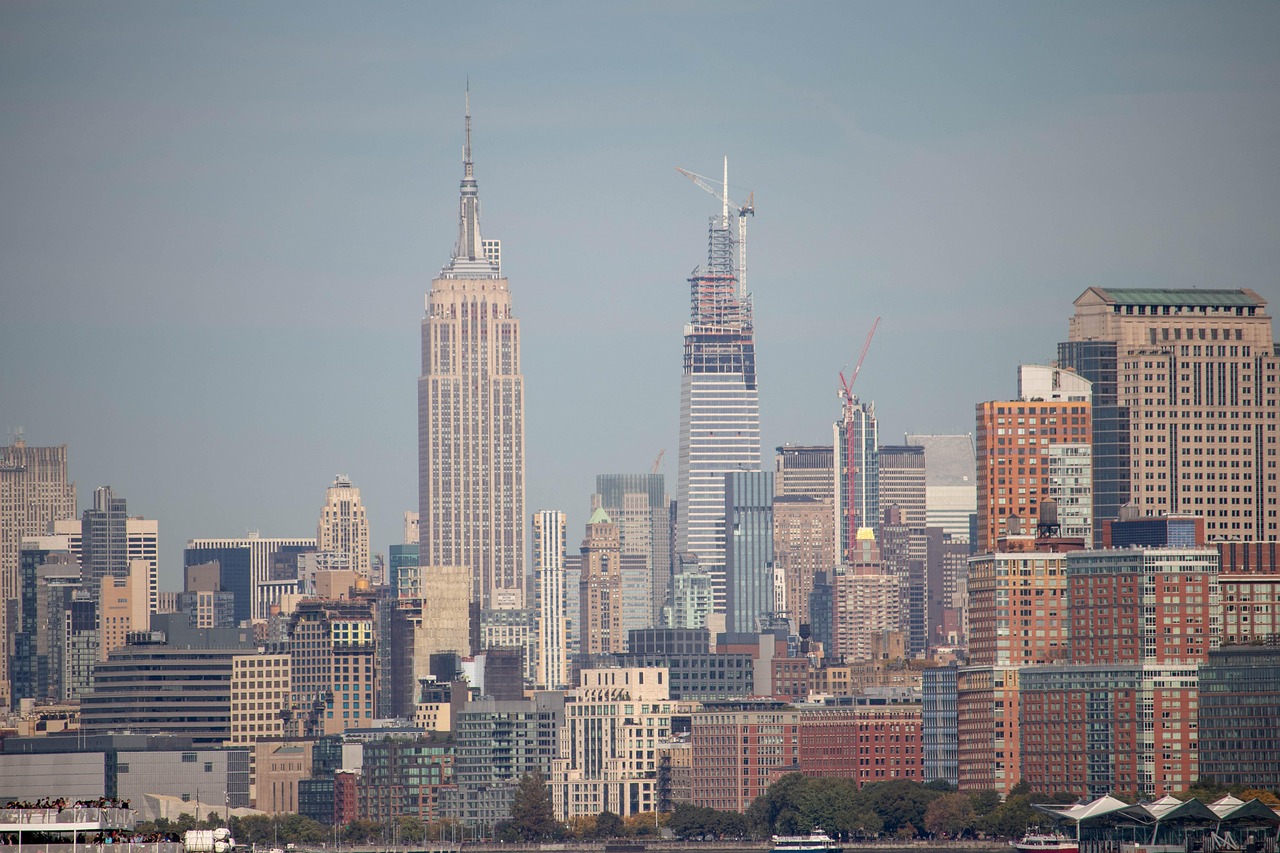
On the national level, recent data shows average home prices up less than one percent year over year. But the Northeast, including New Jersey, is bucking that softer trend and running in the faster lane of the two-speed housing market. States like New Jersey and Connecticut are currently among the top performers for annual price appreciation, both posting year-over-year gains above five percent. For New Jersey specifically, home prices are up more than five percent with a median listing price in the low five-hundreds.
Why is New Jersey on the stronger side of the two-speed housing market instead of the correction side? There are a few big reasons. Proximity to major job centers is a huge driver: access to New York City and Philadelphia, plus thriving employment hubs in places like Jersey City, Newark, and along key commuter corridors, keeps demand steady. Many buyers who cannot afford or no longer want the price tags in Manhattan, Brooklyn, or even Hoboken are looking at “next-ring” communities in New Jersey, where their budget stretches a bit further. At the same time, there is a shift within the two-speed housing market toward more affordable pockets and smaller markets, where prices feel more reasonable but supply is still tight. That combination of demand and limited inventory keeps New Jersey firmly in the “resilient” lane of the two-speed housing market.
Inventory, New Construction, and the Two-Speed Housing Market
Another big piece of the two-speed housing market story is supply, especially new construction. Many of the states seeing the strongest price appreciation in this two-speed housing market also have a below-average share of new-construction listings. That means resale homes are doing most of the heavy lifting when it comes to inventory. When new homes are built, they often command a large premium over existing properties, putting them out of reach for many typical buyers. In one example state, newly built homes were priced close to 60 percent higher than comparable existing homes, which effectively makes new construction a luxury product rather than a pressure valve on the broader market.
New Jersey fits this pattern in the two-speed housing market as well. In many established suburbs and older cities, land is limited and building costs are high, so large-scale new development is not easy. When projects do happen, they are often townhome communities, rental buildings, or higher-end properties rather than a wave of entry-level single-family homes. In a two-speed housing market, that kind of limited new construction keeps the spotlight on existing homes. With fewer fresh listings to choose from, buyers end up competing over the resale inventory, which supports price growth and keeps New Jersey’s two-speed housing market lane moving faster than some parts of the country.
What the Two-Speed Housing Market Means for New Jersey Buyers in 2026
If you are hoping to buy in New Jersey this year, the two-speed housing market has several clear implications. First, this is not a widespread crash scenario in most New Jersey communities. Our state is on the stronger side of the two-speed housing market, with above-average price growth and persistent demand. Waiting for a dramatic drop in prices might not be a realistic strategy, especially in desirable areas. Second, affordability is still a real challenge because you are dealing with both higher interest rates and rising home prices in a two-speed housing market. That means you may need to be flexible about location, property type, or must-have features. Expanding your search radius, exploring condo or townhome options, or considering nearby towns that are slightly less “hot” can make a big difference.
Third, the two-speed housing market means you will likely face real competition in certain price bands. Homes that are well-priced, move-in ready, and in popular school districts or commuter locations can still attract multiple offers quickly. To navigate this, preparation is critical. Get fully pre-approved, not just pre-qualified, so you know exactly where you stand and can move quickly. Set a clear budget and a walk-away number before you start touring homes in this two-speed housing market. Finally, work with a local agent who understands how the two-speed housing market plays out at the neighborhood level. There is a big difference between the dynamics in Marlboro, Newark, and various Shore towns, even though they are all in the same state and the same two-speed housing market.
What the Two-Speed Housing Market Means for New Jersey Sellers in 2026
For sellers, being on the stronger side of the two-speed housing market is good news, but it is not a guarantee that any price will work. Yes, New Jersey is in a more resilient segment of the two-speed housing market, but buyers are still very sensitive to value and condition. Pricing strategy matters more than ever. Overpricing based on last year’s headlines or a neighbor’s anecdote can backfire, even when the state’s overall numbers look strong. In this two-speed housing market, the best results come from accurate, data-driven pricing that reflects what buyers are actually willing to pay right now.
Condition and presentation are also key in a two-speed housing market. With higher borrowing costs, many buyers are less willing to take on big renovation projects on top of their mortgage payments. Homes that are clean, de-cluttered, well-staged, and updated where it counts tend to attract more showings and stronger offers. In the right price range and location, you can still see multiple offers and bidding wars in this two-speed housing market, but that usually happens when price, condition, and marketing all line up. As a seller, your goal is to combine the macro advantage of being in a strong lane of the two-speed housing market with a smart micro strategy tailored to your specific town and neighborhood.
How the Two-Speed Housing Market Shows Up in Monmouth County and Marlboro
All of the national and state-level data on the two-speed housing market is helpful, but real estate is always hyper-local. Even within New Jersey’s faster lane of the two-speed housing market, different towns and price points move at different speeds. In places like Monmouth County, Marlboro, and surrounding communities, you can clearly see the two-speed housing market in action. Some neighborhoods and price ranges move very quickly, with strong demand from buyers who prioritize schools, commuting options, and quality of life. Other segments feel more balanced, with homes taking a bit longer to sell and buyers having slightly more breathing room.
In a two-speed housing market, knowing which lane your specific property or price range falls into is critical. That is where local data and on-the-ground experience matter more than headlines. If you are a buyer, it can help you identify pockets where you still have negotiating power versus areas where you need to be aggressive. If you are a seller, it can guide you toward the right price, timing, and prep work to shine in your corner of the two-speed housing market.
Bringing It All Together: Making Your Move in a Two-Speed Housing Market
The bottom line is that we are firmly in a two-speed housing market, and New Jersey is on the more resilient, faster-moving side of that divide. For buyers, that means you should not count on a fire sale, but you can still make smart, strategic moves by being prepared and flexible. For sellers, it means you have a real opportunity to benefit from continued demand and limited inventory, as long as you price and present your home correctly for today’s two-speed housing market.
If you are thinking about buying or selling in 2026 and want to understand exactly how the two-speed housing market applies to your situation in Monmouth County, Marlboro, or anywhere in New Jersey, I’m here to help. We can look at the numbers for your town, talk through what’s realistic right now, and build a plan that works in this two-speed housing market instead of fighting against it.

💬 Let’s Make Your Real Estate Goals Happen
Hi, I’m Cori Dunphy, your trusted Monmouth County real estate expert and lifelong New Jersey resident. With over 24 years of helping buyers and sellers across the Garden State, I bring deep local knowledge, sharp market insight, and a lot of heart to every client experience.
Whether buying your first home, upsizing, downsizing, or simply exploring your options, I’m here to guide you honestly, clearly, and confidently — every step of the way.
🔗 Enjoyed this blog? Browse more articles HERE
🏡 Let’s connect and get started:
📞 Call or Text: 732-213-0325
📧 Email: [email protected]
🌐 Website: www.CoriSellsNJ.com
📲 Follow Me for More Tips, Homes & Local Highlights:
🔖 Let’s turn your real estate dreams into a done deal. I’m just a call, click, or DM away.
#CoriSellsNJ #ListedByCori #SoldByCori #CoriKnowsNJ #HomesByCoriDunphy #YourMonmouthCountyRealtor #REMAXWithCori #BuyWithCori #SellWithCori #CoriCoversNJ #CoriGetsItClosed #CoriSellsTheJerseyShore #FirstTimeBuyerHelp #TopDollarWithCori #CoriSellsMarlboroNJ #MonmouthCountyRealEstate