Planning for retirement offers freedom, but with rising costs, many New Jersey residents ask: Where are the best states to retire in 2026, and how can savings truly last? Navigating retirement finances is more critical than ever. A 2025 Federal Reserve report indicates about 65% of non-retired adults feel their savings are insufficient, highlighting the need for informed decisions about your golden years.
As Cori Dunphy with RE/MAX Central and CoriSellsNJ.com, specializing in Monmouth County and Central New Jersey real estate, I help clients explore this important question. Many wonder whether to stay in the Garden State or find a location where their retirement funds stretch further.
This guide analyzes WalletHub’s 2026 Retirement Study and Federal Reserve data to explore top retirement destinations and understand why they are favorable for your financial future. This analysis of the best states to retire in 2026 will help you make an informed decision, whether you’re considering downsizing locally or embarking on a new adventure.
Why Your Retirement Location Matters More Than Ever
Understanding the Factors for the Best States to Retire in 2026
Retirement planning used to focus solely on savings. However, with escalating inflation, housing costs, and healthcare expenses, your chosen location is now a powerful financial factor. Where you live impacts key areas:
- Taxes: Including those on pensions, Social Security, and investment income.
- Housing Affordability: Property taxes and the cost of buying or renting.
- Healthcare Costs & Access: Availability and affordability of medical services.
- Quality of Life: Factors like climate, safety, and community engagement.
These are precisely the metrics WalletHub evaluated for its 2026 Retirement Study, making location a crucial consideration for your financial well-being.
The Top 5 Best States to Retire in 2026
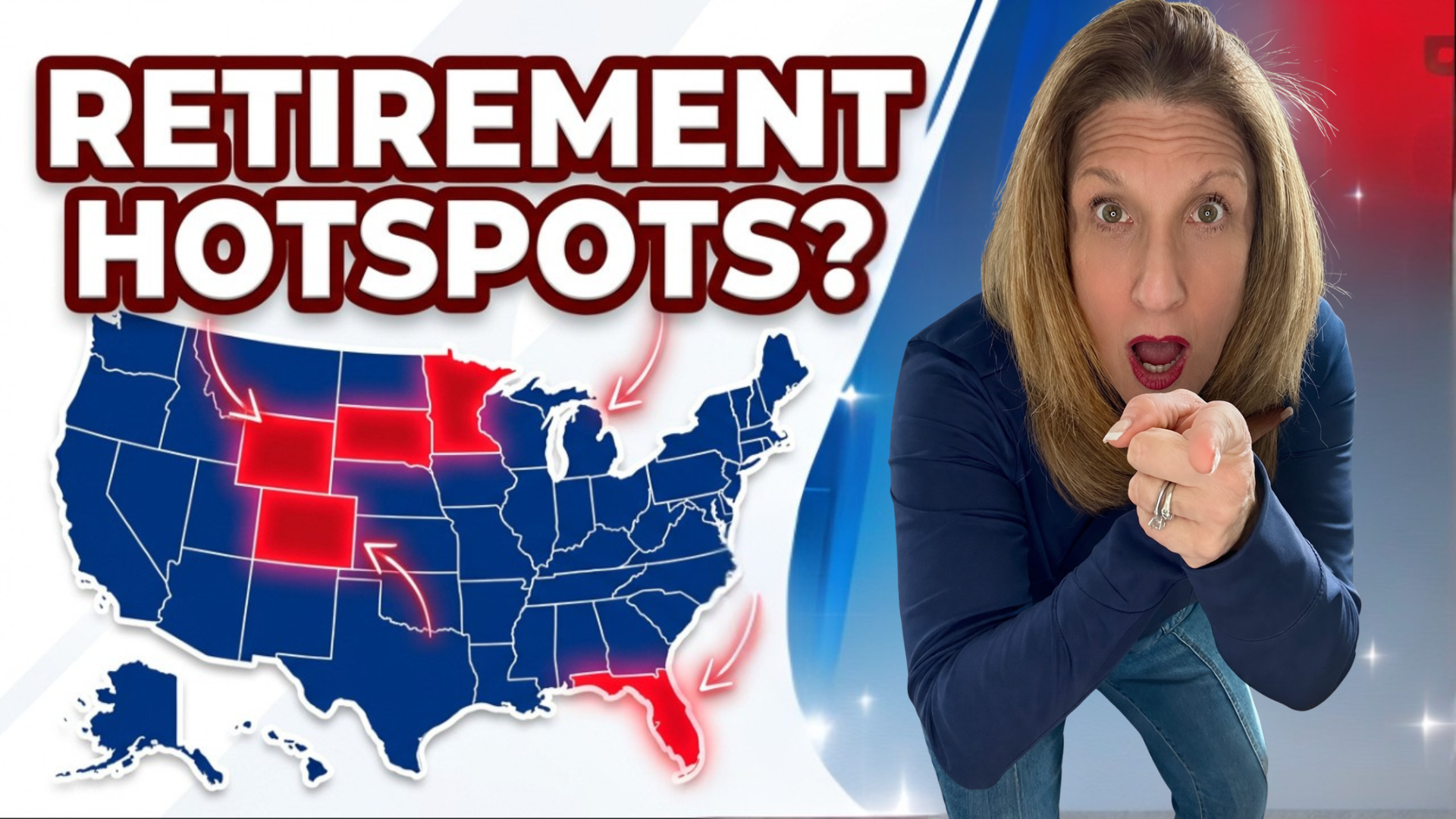
WalletHub’s comprehensive analysis examined 46 key retirement factors to identify the top five states offering an excellent balance of affordability, healthcare, and quality of life:
- Wyoming
- Florida
- South Dakota
- Colorado
- Minnesota
- Cost of living and housing affordability
- Retirement tax friendliness (state income, property, estate taxes)
- Cost of in-home care and adult day care
- Percentage of seniors foregoing care due to cost
- Percentage of senior population and social engagement opportunities
- Availability of amenities like parks, theaters, and public transportation
- Climate, safety ratings, and air/water quality
- Access to healthcare professionals and hospital quality
- Senior-specific health metrics and care options
- Life expectancy and health outcome data
- Assess Your Priorities.
While NY and NJ offer strong advantages in healthcare, transportation, and cultural amenities, weigh these against potential cost savings elsewhere. - Define Your Lifestyle Goals.
Consider what’s most important: proximity to family, warm weather, or distinct seasons? Your happiness is key. - Balance Finances and Fulfillment.
A state like Wyoming offers tax benefits, but if its lifestyle doesn’t suit you, the savings may not compensate for personal contentment. - Explore Nearby Options.
Consider areas like southern New Jersey shore towns, Delaware, or Pennsylvania suburbs for potentially lower taxes and living costs while staying relatively close to your current community. - How close do I want to be to family and friends?
- Do I prefer warm weather year-round, four true seasons, or something in between?
- How important are walkability, public transportation, or easy driving conditions?
- Am I looking for a quieter pace or an active, social community?
- What level of access to specialists, hospitals, and senior services do I need?
- Shortlist 3–5 States
Choose a few states that fit your climate, lifestyle, and budget preferences. Use WalletHub’s rankings as a guide, but then dig deeper into specific regions and cities within those states. - Compare Total Cost of Living
Look beyond just home prices or taxes. Compare housing costs (renting vs. buying, property taxes, HOA fees), healthcare expenses and insurance, and everyday costs like groceries, utilities, and transportation. This total-picture approach helps you avoid surprises. - Visit Before You Commit
If possible, schedule exploratory trips during different seasons. Spend time in the neighborhoods you’re considering, talk to locals, and visit key facilities. These “test drives” reveal whether a place truly feels like home. - Talk With a Local Real Estate Expert
A trusted local agent can help you understand micro-markets within a state—cities or towns that might be more affordable, more walkable, or better suited to retirees than the well-known hotspots. They can also help you understand property taxes, HOA rules, and community amenities. - Plan Your Transition from New Jersey
If you currently own a home in New Jersey, your property may be a powerful tool in your retirement plan. Downsizing, selling, or even renting your current home can help you unlock equity, reduce ongoing expenses, and reposition your finances for a smoother transition.
States like Wyoming and South Dakota are gaining prominence due to low taxes, manageable living costs, and strong community well-being, challenging traditional retirement hubs. Let’s explore what makes these states stand out.
1. Wyoming: A Quiet Financial Powerhouse
Wyoming excels in affordability and taxes, boasting no state income tax, low property taxes, and reasonable living expenses. It offers a serene lifestyle, ample open space, and excellent air quality.
2. Florida: The Classic, Still Strong
Florida remains a popular choice with its warm climate, retiree-friendly tax structure, abundant recreation, and leading medical centers. It also ranks favorably for senior health outcomes.
3. South Dakota: Small State, Big Benefits
South Dakota offers low taxes, an economically stable environment, and a robust healthcare system, contributing to high senior satisfaction and low poverty rates.
4. Colorado: Active and Healthy Living
Colorado appeals with its health-conscious lifestyle and access to outdoor activities. While its cost of living is higher, its overall retirement health score makes it a strong contender.
5. Minnesota: High Health Care Quality
Minnesota is recognized for its excellent hospitals and senior care facilities, coupled with lower-than-average elder poverty rates and high community friendliness scores.
Retirement States to Reconsider
Conversely, some states rank lower due to factors like affordability and cost of living. For instance, New York ranks #50 overall, largely due to high housing costs and taxes.
For local context, New Jersey ranks 35th overall. While it scores 45th for affordability, it excels at 9th for healthcare and 30th for quality of life. This means New Jersey offers strong medical access but can be expensive for retirees focused purely on budget.
If maximizing your budget is the primary goal, exploring other states might be beneficial. However, if top-tier healthcare and quality of life are paramount, New Jersey presents compelling advantages.
How WalletHub Measured Retirement Friendliness
WalletHub analyzed states across three main categories, weighted by their importance to retirees:
1. Affordability (40% of the score)
➡️ This metric assesses if your retirement budget can support a comfortable lifestyle.
2. Quality of Life (30% of the score)
➡️ This category evaluates whether a location offers a fulfilling and safe environment with ample activities.
3. Health Care (30% of the score)
➡️ This ensures quality and accessible medical care are readily available for long-term well-being.
Why a Significant Gap Exists in Retirement Preparedness
Beyond state rankings, the emotional and financial reality for many Americans is stark. The Federal Reserve’s 2025 Economic Well-Being Report reveals that while 67% of adults have some retirement assets, only 35% of non-retirees feel they are on track. This gap underscores the importance of location. When budgets are tight, the primary levers to improve financial standing are saving more (often challenging), working longer (not always feasible), or relocating.
Relocation often presents the most attainable and impactful solution for many retirees seeking greater financial flexibility.
Considering a Move from New Jersey or New York?

If you’re in the New Jersey or New York area, you’re likely aware of the higher cost of living. Before deciding to relocate, it’s crucial to analyze what these national rankings mean for your specific situation.
Here’s a practical approach:
Using Retirement Rankings Effectively
WalletHub’s list is an excellent starting point, but the ultimate “best state” is subjective. It’s the place that best balances your finances, lifestyle, health needs, and personal preferences.
Consider these personal questions:
Your answers will help narrow which “top” states realistically fit your life—not just your budget. A state can look perfect on paper but fall short if it doesn’t align with your daily routines, social life, or health needs.
Practical Steps to Choosing Your Retirement State
Once you’ve clarified your priorities, here are some practical steps to move from ideas to action:
If you’re not ready to leave New Jersey entirely, you might consider a “two-step” plan—downsizing locally first, then reassessing a move out of state in a few years.
When Staying in New Jersey Makes Sense
Although New Jersey is not at the top of the affordability rankings, it can still be a strong choice for retirement in certain situations. Staying may make sense if you want to remain close to family, community, and familiar medical providers; value access to world-class healthcare, cultural attractions, and transportation; or prefer not to navigate the logistics of a long-distance move. Many retirees find that downsizing within New Jersey provides meaningful financial relief while preserving lifestyle and support systems.
How I Help New Jersey Residents Plan Their Next Chapter
As a full-time real estate agent specializing in Monmouth County and Central New Jersey, I regularly work with clients who are downsizing, deciding whether to stay or relocate, exploring 55+ communities, or preparing their homes for sale to maximize equity. My role is to help you understand how real estate fits into your retirement plan—analyzing your home’s value, what you can afford next, and how different choices affect your long-term financial picture.
If you’re considering a move in the next few years, it’s never too early to start the conversation.
Thinking About Retiring in 2026 or Beyond?
If you’re starting to think about retirement—even if you’re a few years away—now is the perfect time to clarify your lifestyle and location priorities, understand your current home’s value and potential equity, and explore whether staying in New Jersey or relocating makes the most sense for you. You don’t have to figure it all out alone. If you’d like to talk through your options, I’m here to help you take the next step with confidence.